How to Encourage Tenants to Report Repairs Promptly
Key Takeaways
- Clear expectations boost early reporting: Simple, well-communicated procedures help tenants report issues promptly.
- Trust encourages proactive communication: Quick responses, transparency, and follow-ups make tenants more willing to speak up.
- Technology streamlines reporting: Portals, texting, and automated reminders make maintenance requests easier and faster.
- A strong reporting culture protects property and relationships: Education, incentives, and professional systems prevent costly issues and build trust.
Timely reporting of maintenance issues is the foundation of effective property management. Property owners can prevent small problems from escalating into costly repairs, habitability safety violations, and safety hazards when tenants communicate repair needs early.
Most tenants delay reporting maintenance issues, even when the benefits are clearly mutual. Some assume the problems are too small to report, others do not want to inconvenience property management, or they are afraid of being blamed for the situation.
Establishing expectations and systems that enhance early reporting is essential for property managers and landlords. That is because clear, dependable communication promotes a property’s long-term value, the quality of tenants’ relationships, and compliance with housing standards.
With this guide from California Realty Group, we will examine strategies that encourage prompt reporting, explore reasons behind tenant hesitations, and best practices that strengthen the culture of accountability and transparency.
The Psychology Behind Tenant’s Hesitation to Report Repairs
Property owners must first understand why tenants delay raising maintenance concerns before they can implement solutions. Knowing these barriers will enable property owners to focus their communication strategies on building trust and eliminating confusion.
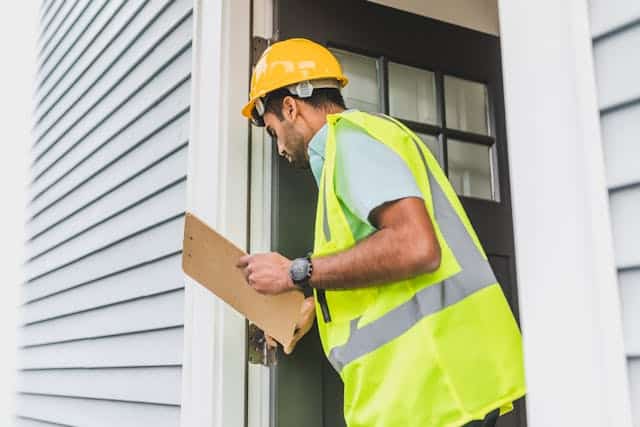
Common reasons include:
Fear of financial consequences:
Some tenants believe they will be accused of negligence or charged for maintenance issues. For that reason, they will avoid reporting matters to protect themselves from potential charges, especially when there is no clarity on maintenance responsibilities.
Assuming the issue is minor:
To some tenants, a slightly slow drain, a flickering outlet, or a small drip under the sink appears insignificant. However, if left unattended, such minor issues can escalate into serious problems.
Uncertainty about the reporting process:
Tenants will postpone reporting if they do not know what information to provide or who to contact. Also, unclear instructions or complex procedures will lead to delayed communication.
Previous experiences with inadequate or slow repairs:
How landlords respond to maintenance issues directly influences tenants’ motivation. When tenants feel unheard or ignored, they will be less likely to report repair issues promptly in the future.
Concerns about seeming demanding:
Most tenants want to look self-sufficient and reasonable. For that reason, they will stop reporting issues because they do not want property managers or landlords to consider them as a nuisance.
Best Practices to Encourage Prompt Repairs
Establish Clear Expectations From the Beginning
One way to encourage prompt reporting, even before maintenance issues arise, is to set expectations from the beginning.
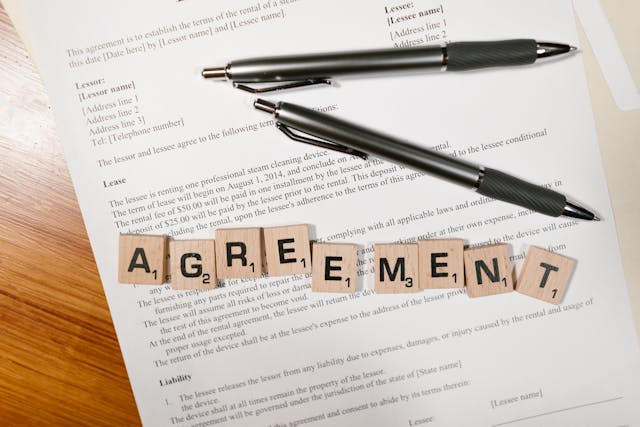
Early communication, clear lease agreements, and onboarding procedures will help to set the tone concerning tenant’s expectations even before they move into the property. To establish clear expectations, you can do the following:
- Include thorough repair reporting guidelines in the lease: It is essential that the lease is clear, clarifies what issues are emergencies, how they should submit reports, what maintenance issues are tenant’s or landlord’s responsibilities, time to expect responses, and emergency protocols.
- Provide clear, consistent reporting channels: Tenants should have a primary method for submitting requests, whether it is a dedicated phone number, email address, or an online portal. Using a simple method increases compliance.
- Reinforce guidelines during move-in: Landlords are encouraged to reiterate repair procedures and emphasize the benefits of early communication using a welcome package or during move-in orientation.
- Encourage documentation from the beginning: Property managers must provide tenants with digital checklists, or move-in inspection forms to show that maintenance issues are considered seriously.
Build Trust Through Proactive Communication
Tenants are more likely to report repair issues promptly when they trust that their concerns will be handled professionally and promptly. Landlords can signal their value for tenants’ comfort and safety, reduce anxiety, and promote reliability by engaging in proactive communication.
Prompt acknowledgement will reassure them that their issues are being addressed. This simple step will influence how tenants report issues in the future.

Uncertainty can be minimized by being transparent. For that reason, you should provide realistic timelines for repairs. Tenants expect to know:
- When the maintenance team will arrive.
- Whether some parts will be ordered.
- The duration it will take to repair the issue.
- Steps they should take while waiting.
For effective property maintenance, landlords should follow-up with tenants after the repair is done. This can be in the form of a post-repair message to ensure tenant satisfaction, and encourage ongoing communication. Additionally, you can send seasonal maintenance reminders to normalize communication about the property’s condition.
Simplify Reporting by Leveraging Technology
You can encourage prompt repair reporting by using technology. That is because modern digital systems provide accessibility, documentation, and convenience. Below is how to leverage technology:
- Maintenance portals and applications: These allow tenants to receive automatic updates, submit requests at any time, track the status of their requests, and upload pictures or videos.
- Automated reminders: This will encourage tenants to prepare for seasonal weather, test smoke detectors and alarms, notify property management about pest sightings, and report dripping faucets or leaks.
- Options for text-based reporting: Offer multiple communication methods, including texting. That is because some tenants prefer sending text messages over formal portals or emails. Doing so will increase the likelihood of tenants reporting quickly.
- Digital records: Leveraging technology will ensure documentation for landlords and tenants. Tenants will appreciate that they have records of the communication. Also, landlords will benefit from having an organized maintenance log to ensure planning and compliance.
Final Thoughts
Apart from being a procedural matter, prompt repairs are the foundation of professional property management. In addition to the above points, landlords are encouraged to do the following:
- Create a culture that values reporting and encourages reporting.
- Educate tenants on when and how to report.
- Use incentives to reinforce timely reporting.
- Maintain professional infrastructure and processes.
- Address all communication gaps.
- Consider liability reduction.
- Strengthen professional relationships with tenants.
With the help of a knowledgeable property management team like California Realty Group, property owners can keep their investments safe, and create more comfortable homes by removing obstacles to prompt communication, strengthening trust, and promoting transparency.
Looking to partner with an expert property management team?