
Should I Rent My House Furnished?
Key Takeaways
- Furnished rentals work best in specific markets. Areas near universities, hospitals, or tech hubs attract short-term renters willing to pay a premium for move-in-ready convenience, suburban markets may not yield the same results.
- Higher rent doesn’t automatically mean higher profit. Furnishing costs, ongoing maintenance, and frequent turnover can eat into your gains, so calculate your break-even point before committing.
- Your management style matters. Furnished rentals demand more hands-on work, inventory tracking, inspections, and faster tenant turnaround. If you prefer stable, low-maintenance occupancy, unfurnished is likely the better fit.
In California’s dynamic rental market, property owners are constantly weighing ways to position their rentals more effectively. One decision that often comes up is whether to offer a property furnished or leave it empty.
At first glance, furnishing a rental may seem like a simple upgrade, add furniture, increase rent, and attract tenants looking for convenience. In reality, the decision carries broader implications for pricing, tenant type, maintenance, and long-term strategy.
This article by California Realty Group will help landlords understand how furnished rentals function in different market conditions, and whether they align with your investment goals.
What “Furnished” Really Means in Practice
A furnished rental is typically designed for immediate occupancy.
Instead of requiring tenants to bring their own essentials, the unit is equipped with core living items. The exact setup can vary depending on the target market and property type.
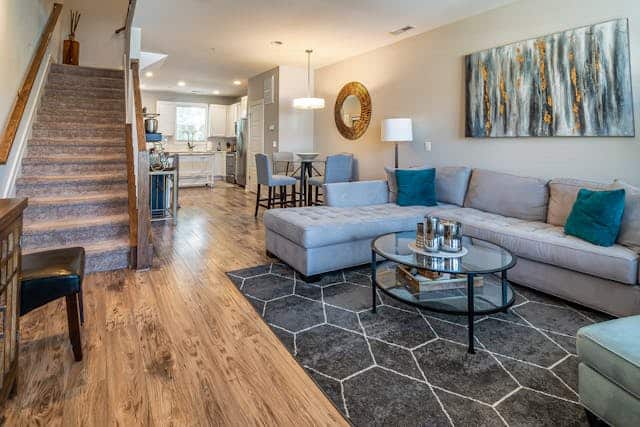
Most furnished rentals include:
- Living room basics such as seating and tables.
- Bedroom essentials like a bed and storage.
- Kitchen appliances and basic cookware.
- Dining area furniture.
- Functional items such as lighting and window coverings.
Some landlords go further by adding decor, electronics, or upgraded finishes. The level of furnishing should match the expectations of your intended tenant, not exceed it unnecessarily.
When Furnished Rentals Make Strategic Sense
In certain California markets, furnished units can offer a clear advantage.
Areas near universities, hospitals, tech hubs, or business districts tend to attract renters who prioritize convenience and flexibility. These tenants often prefer move-in-ready spaces, especially when their stay is temporary.
Furnished rentals are particularly effective when targeting:
- Professionals on short-term assignments.
- Students or visiting academics.
- Relocating tenants in transition.
- Individuals seeking temporary housing.
In these situations, the value lies in reducing the friction of moving. Tenants are often willing to pay a premium for that convenience, especially in high-demand urban or suburban areas.
Higher Rent vs. Higher Costs
One of the main advantages of furnishing a rental is the potential for increased income.
A fully equipped unit can justify a higher monthly rate compared to an unfurnished one. However, that additional income comes with added responsibilities.
Consider the financial balance:
- Upfront investment in furniture and setup.
- Ongoing maintenance and replacement costs.
- Increased wear and tear on furnishings.
- Potential need for more frequent cleaning.

While higher rent can offset these costs, it’s important to evaluate whether your local market supports the premium. Overpricing a furnished unit can lead to longer vacancies, which may outweigh the benefits.
It’s also important to estimate how long it will take to recover your initial furnishing costs. A realistic timeline can help you better assess whether the added investment aligns with your expected returns.
Tenant Turnover and Lease Structure
Furnished rentals often attract a different type of tenant, and with that comes a different leasing pattern.
Shorter stays are more common, which can mean more frequent turnover. While this can create opportunities to adjust pricing, it also requires more consistent marketing and preparation between tenants. This may involve more frequent cleaning, inspections, and coordination, which can increase the overall management workload.
This dynamic can work well if:
- Demand for short-term housing is strong.
- You have systems in place to manage turnover efficiently.
- The property remains consistently occupied.
On the other hand, if stability and long-term occupancy are your priorities, an unfurnished rental may be more aligned with your goals.
Maintenance and Management Considerations
Furnishing a property adds another layer to ongoing management.
In addition to maintaining the structure of the home, you are now responsible for the condition of everything inside it. This includes tracking inventory, handling repairs, and replacing items over time.
To manage this effectively, landlords should:
- Keep a detailed inventory of all furnishings.
- Set clear expectations in the lease regarding use and care.
- Schedule regular inspections to monitor condition.
- Plan for periodic updates or replacements.
Without a structured system, small issues can accumulate and become more costly to address later.
Aligning With Your Local Market
Location plays a significant role in determining whether a furnished rental is a good fit.
In California, demand can vary significantly between cities and neighborhoods. A furnished unit in a tech-driven area may perform very differently from one in a suburban residential community.
Before deciding, consider:
- The typical renter profile in your area.
- Demand for short-term vs. long-term housing.
- Comparable listings and how they are positioned.
- Whether tenants are willing to pay for convenience.
Matching your approach to local conditions helps ensure that your investment performs as expected.
Furnished vs. Unfurnished: A Strategic Decision
Ultimately, the choice between furnished and unfurnished comes down to how you want to operate your rental.
Furnished properties can offer flexibility, higher pricing potential, and access to a broader tenant pool. However, they also require more hands-on management and ongoing investment.
Unfurnished rentals, by contrast, tend to attract longer-term tenants and provide more predictable occupancy with fewer moving parts.
The right choice depends on your goals, resources, and market conditions.
A More Intentional Approach to Rental Positioning
Deciding whether to furnish your rental is less about the furniture itself and more about how you position your property in the market.
When aligned with demand, a furnished unit can stand out and perform well. When misaligned, it can create unnecessary costs and complexity.
Taking a structured approach, evaluating your market, understanding your tenants, and planning for long-term management, helps ensure that your decision supports consistent performance.
Ready to Optimize Your Rental Strategy?
Whether you choose to offer your property furnished or unfurnished, success comes down to how well each part of your rental operation is managed.
A professional property management team like California Realty Group can help you evaluate your market, position your property effectively, and handle the day-to-day responsibilities that come with either approach.