
Renting Out Your Home in Ontario, CA: Everything Property Owners Need to Consider

Key Takeaways
- Define your rental goals and price your home based on the local market to set yourself up for long-term success.
- Prepare your property before listing by completing repairs, cleaning thoroughly, and ensuring it meets safety and habitability standards.
- Protect your investment with careful tenant screening, a detailed lease agreement, and a proactive maintenance plan.
- Stay compliant with California rental laws, insurance, HOA rules, and tax requirements, or work with a professional property manager for added peace of mind.
A rental home can provide steady income and long-term investment potential, but it also comes with responsibilities. You need to think about pricing, repairs, tenant screening, lease terms, California rental laws, maintenance, insurance, taxes, and day-to-day communication.
At California Realty Group, we help Ontario homeowners turn their properties into professionally managed rentals. If you are an accidental landlord or renting out your home for the first time, here are the most important things to consider before handing over the keys.
Start With Your Reason for Renting
Are you planning to move back into the home later? Are you keeping it as a long-term investment? Are you waiting for the sales market to improve? Are you helping the family transition out of the property? Are you trying to build future income?
If you may move back in, lease length and legal planning become especially important. If you want long-term rental income, tenant quality and maintenance planning may be your top priorities.
If you are unsure whether to sell or rent, you need to compare expected rent with carrying costs, future appreciation potential, and the responsibilities of ownership. Renting out a home should be a business decision, not a rushed backup plan.
Understand What Your Home Can Realistically Rent For
Many first-time landlords overestimate rent because they focus on what they need to cover the mortgage. Unfortunately, renters do not price homes based on an owner’s expenses. They compare your property to other available rentals in Ontario.
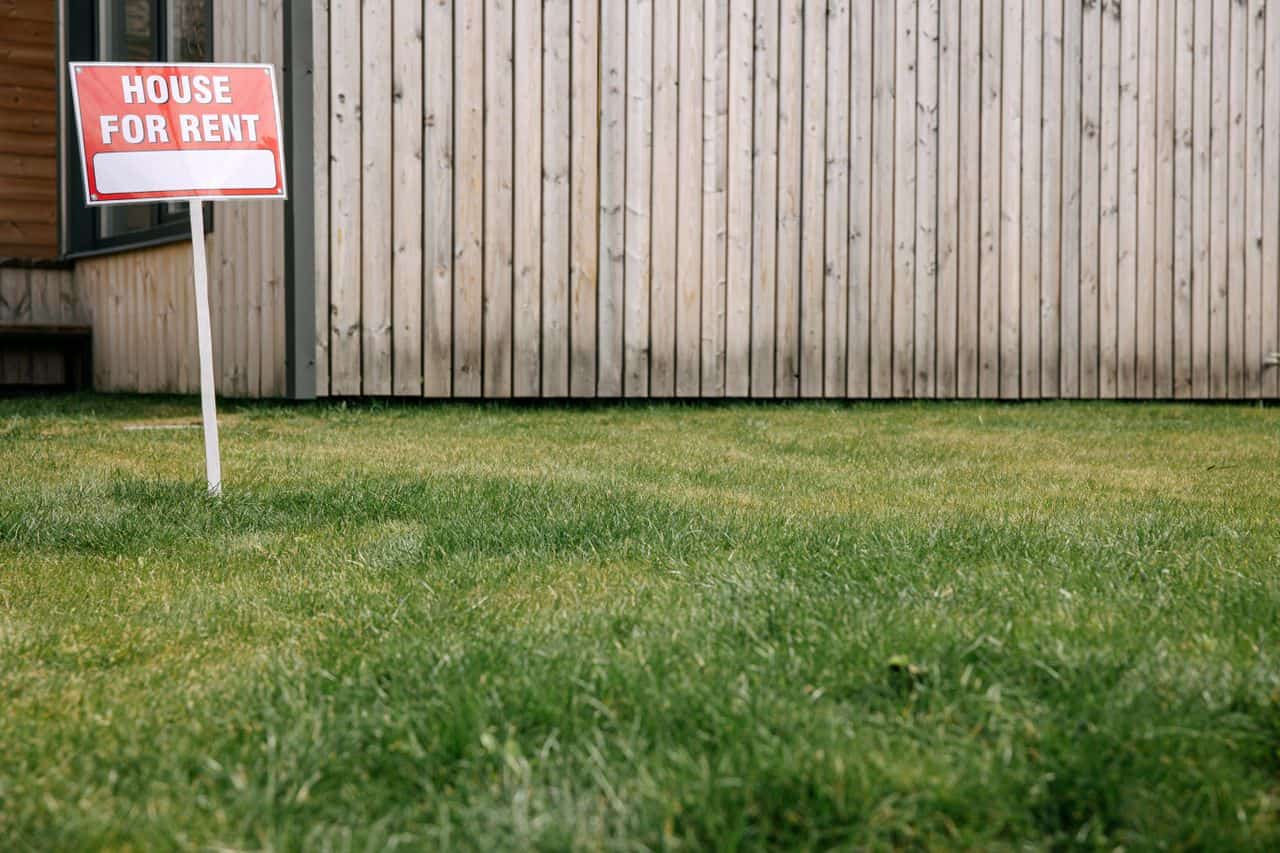
Your rental price should be based on current market conditions and comparable properties. Consider:
- Location within Ontario.
- Bedroom and bathroom count.
- Square footage.
- Property type.
- Garage or parking.
- Yard size.
- Interior condition.
- Appliances.
- Pet policy.
- HOA amenities.
- School boundaries.
- Commute access.
- Nearby shopping and services.
- Current competing rentals.
Pricing too high can lead to vacancy. Pricing too low leaves money on the table. A professional rental analysis can help you find the right balance.
Get the Property Rent-Ready
Before renting your home, make sure it is clean, safe, functional, and ready for someone else to live in. A home that feels neglected can attract weaker applicants and create problems after move-in.
Important rent-ready tasks may include:
- Professional cleaning.
- Fresh paint or touch-ups.
- Carpet cleaning or flooring repairs.
- Appliance checks.
- Plumbing repairs.
- HVAC service.
- Smoke and carbon monoxide detector checks.
- Lock and window checks.Garage door inspection.
- Garage door inspection.
- Landscape clean-up.
- Pet inspection if needed.
- Removal of personal belongings.
- Repair of safety hazards.
A rent-ready home helps attract better applicants and gives the tenancy a smoother start.
Decide Whether to Allow Pets
Many renters have pets, and allowing pets can expand your applicant pool. However, pets also create potential risks, including damage, odors, noise, and yard wear.
A professional pet policy can help reduce risk. This may include pet screening, pet rent or fees where allowed, clear lease language, breed or size rules where legally appropriate, and expectations for waste cleanup, damage, and unauthorized animals.

Owners also need to understand that assistance animals are not treated the same as pets under fair housing rules. Requests related to assistance animals should be handled carefully and consistently.
If your home has durable flooring, a fenced yard, or easy-to-clean surfaces, a pet-friendly approach may help the property lease faster. If the property has delicate finishes or HOA restrictions, a more limited policy may be appropriate.
Review Your Mortgage, Insurance, and HOA Rules
If you have a mortgage, check whether your loan has any occupancy requirements. If the property is in an HOA, review the governing documents for rental restrictions, minimum lease terms, tenant registration requirements, parking rules, pet rules, and community standards.
You should also contact your insurance provider. A standard homeowner policy may not be enough once the property becomes a rental. You may need a landlord policy that covers rental-related risks. You may also want to require renters insurance from tenants.
Learn the Basics of California Rental Compliance
Many California rental properties may be subject to statewide rent cap and just-cause rules, while some single-family homes or newer properties may be exempt if specific requirements are met. Exemptions are not automatic in practice. They often require proper written notice or lease language.
Security deposits also need to be handled correctly, and tenants have rights related to safe and habitable housing. If maintenance issues arise, owners need to respond properly.

This does not mean you should be afraid to rent your home. It means you should treat rental ownership like a professional business. California Realty Group can help you manage the process, but legal questions should always be reviewed with a qualified California attorney.
Screen Tenants Carefully
A thorough screening process may include:
- Completed rental application.
- Identity verification.
- Income verification.
- Employment review.
- Credit history.
- Rental history.
- Eviction history.
- Landlord references.
- Background checks where legally appropriate.
Screening should be consistent and fair. Every applicant should be evaluated using the same written criteria. You should not approve someone based only on a friendly conversation or because you are eager to fill the vacancy.
Use a Strong Lease
Your lease should clearly explain the rules, responsibilities, and expectations for the tenancy. Important lease topics include:
- Rent amount and due date.
- Late fees.
- Security deposit.
- Lease term.
- Utilities.
- Maintenance responsibilities.
- Pet policies.
- Smoking policy.
- Parking.
- Landscaping.
- HOA rules.
- Appliance responsibilities.
- Entry notices.
- Renewal terms.
- Move-out requirements.
If your Ontario home is in an HOA community, the tenant should receive and understand applicable community rules before move-in. This can reduce violations and owner headaches later.
A strong lease helps protect the property and gives both sides a clear reference point if questions come up.
Plan for Maintenance Before Something Breaks
You should have a plan for routine maintenance, emergency repairs, vendor access, tenant communication, and approval limits.
Common maintenance concerns include HVAC, plumbing, appliances, water heaters, garage doors, irrigation, landscaping, locks, electrical issues, and pest concerns.

Servicing the HVAC system, cleaning gutters, checking irrigation, and addressing small leaks early can help prevent larger repairs.
A property management company can coordinate maintenance requests, communicate with tenants, schedule vendors, and document repairs so you are not managing every issue yourself.
Think About Taxes and Recordkeeping
Rental income and expenses need to be tracked carefully. You may be able to deduct certain rental-related expenses, but you need organized records.
Track items such as:
- Rent received.
- Property management fees.
- Maintenance and repairs.
- Insurance.
- Mortgage interest.
- Property taxes.
- HOA dues.
- Utilities paid by the owner.
- Advertising.
- Legal or professional fees.
- Capital improvements.
Speak with a tax professional about your specific situation. Turning a personal residence into a rental can have tax implications, especially if you may sell the home in the future.
Consider Professional Property Management
Renting out a home can take more time than many owners expect. Marketing, showings, screening, lease preparation, rent collection, maintenance calls, legal notices, inspections, accounting, and tenant communication all require attention.
California Realty Group helps Ontario property owners manage these responsibilities with a professional process. Our services include rental marketing, tenant screening, rent collection, maintenance coordination, owner and tenant portals, and ongoing management support.
Final Thoughts
Renting out your home in Ontario, CA can be a smart decision, but it should be handled carefully.
Before listing the property, understand your goals, determine the right rent, prepare the home, review insurance and HOA rules, learn the basics of California rental compliance, screen tenants thoroughly, use a strong lease, and plan for maintenance.
If you are thinking about renting out your Ontario home, California Realty Group can help you evaluate the property, prepare it for the market, find qualified tenants, and manage the day-to-day details with confidence.
Disclaimer: Please note that the information provided in this blog is intended for general guidance and should not be considered as a replacement for professional legal advice. It is important to be aware that laws pertaining to property management may change, rendering this information outdated by the time you read it.