How To Set Clear Expectations with New Tenants: A Landlord’s Guide
Key Takeaways
- Set clear payment rules early – Define due dates, payment methods, and late fees upfront to avoid confusion and ensure consistent rent collection.
- Communicate maintenance procedures – Make repair requests easy, distinguish emergencies, and share timelines to build tenant trust.
- Clarify policies in writing – Outline rules for pets, smoking, noise, and property damage to prevent disputes and protect your investment.
- Prioritize ongoing communication – Stay accessible, respond promptly, and document interactions to maintain transparency and strong tenant relationships.
California’s rental market moves fast, and clear communication is the key to keep things running smoothly. Whether you’re leasing out a beachside condo in San Diego, or a duplex in Sacramento, setting expectations early can be the difference between a seamless tenancy and months of frustration.
Successful landlords don’t just collect rent, they manage relationships. Establishing transparency from the start prevents confusion, reduces legal risk, and creates a rental experience that works for both you and your tenants.
With this guide from California Realty Group, you’ll learn how to use clear communication to protect your property, strengthen tenant satisfaction, and simplify day-to-day management in California’s dynamic rental market.
1. Clarify Rent Payment Expectations from the Start
Rent collection may seem straightforward, but inconsistency with communication about payment methods and details can easily lead to confusion or tension. Set the tone early with a transparent, reliable system.

Offer multiple payment methods:
Provide tenants with secure, convenient payment options such as online portals, direct deposits, or mobile apps. Many California renters prefer digital payments, which help ensure on-time delivery and easy tracking.
Establish due dates and reminders:
Include the rent due date in your lease and mention it again during move-in orientation. Sending monthly reminders, even automated ones, reinforces consistency and reduces late payments.
Define grace periods and late fees clearly:
California law doesn’t set a statewide grace period, so your lease should specify one (if you offer it). Make late fees transparent, include the amount when it applies, and how it’s calculated. Clarity prevents disputes and ensures fairness.
2. Outline How Maintenance and Repairs Work
Few things frustrate tenants faster than unclear maintenance procedures. Well-defined repair protocols show professionalism and help protect your investment.
Provide an easy reporting system:
Whether it’s through an online form, email, or phone, make maintenance requests simple to submit. Quick reporting prevents small problems from becoming costly ones.
Distinguish emergencies from routine issues:
Let tenants know what qualifies as an emergency versus general repairs that can wait for business hours.
Communicate repair timelines:
If you’re unable to fix something immediately, let tenants know when to expect service. Regular updates help maintain trust even when repairs take longer than planned.
In California’s competitive market, prompt maintenance shows tenants you care which encourages renewals over relocations.
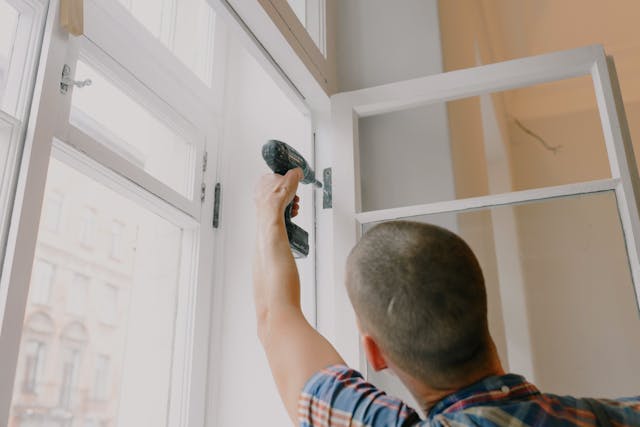
3. Define What Counts as Property Damage
Security deposit disputes often arise when landlords and tenants disagree on what constitutes damage. Avoid confusion by setting clear expectations early.
- Landlord responsibility: Normal wear and tear includes faded paint, carpet wear, or minor scuffs.
- Tenant-caused damage: Broken blinds, holes in walls, or stains from neglect, are chargeable against the security deposit.
Walk through the property with tenants during move-in and move-out, documenting conditions with photos.
4. Establish Noise and Disturbance Guidelines
In California’s multifamily housing communities, noise complaints are one of the biggest disputes between landlords and tenants. Setting clear guidelines helps to minimize disturbances and complaints.
- Quiet hours: Include quiet times (often 10 p.m. to 7 a.m.) in your lease agreement.
- Gatherings: Clarify guest limits and expectations for parties or loud activities.
- Reporting process: Provide a clear, respectful channel for reporting disturbances.
5. Communicate Pet and Smoking Rules Clearly
Pet and smoking policies should never be left vague, as they can significantly impact maintenance costs and tenant relations.
Pet policies:
Specify whether pets are allowed, and if so, outline breed or size limits, required deposits, and ongoing pet rent. Reinforce tenants’ responsibility for cleaning up after their animals and preventing property damage.
Smoking restrictions:
California law allows landlords to ban smoking on the property, including units and shared areas. If your property is smoke-free, ensure that that is in writing to prevent disputes later.
6. Set Expectations for Lease Termination and Eviction
California’s tenant protection laws are among the most detailed in the country. That makes clarity essential when discussing lease endings or potential evictions.

Notice to vacate:
Ensure tenants know how much notice is required to end their lease. In most cases, tenants must give at least 30 days for shorter leases or 60 days for longer-term tenancies.
Move-out condition:
Outline expectations for cleaning, repairs, and key returns to streamline the transition.
Eviction procedures:
Be transparent about what behaviors could trigger eviction, like late payments or repeated lease violations. Emphasize that eviction is always a last resort, used only after formal notice and good-faith communication.
7. Strengthen Communication Channels
Even the best lease won’t prevent every issue. That’s where consistent communication makes the biggest impact.
Offer multiple contact methods:
Provide a phone number, email, or digital portal so tenants can reach you easily. Quick accessibility reduces frustration during urgent situations.
Set clear response expectations.
Let tenants know how quickly you’ll reply to messages or maintenance requests. For example, within 24 hours for standard issues and immediately for emergencies.
Keep records of all communication:
Documenting interactions protects you legally and ensures continuity if you manage multiple properties.
Tips to Prevent Misunderstandings
A few simple steps can strengthen communication:
- Create a clear and solid lease. Outline all policies, fees, and maintenance responsibilities upfront.
- Do a move-in walkthrough. Document the property’s condition with photos for mutual accountability.
- Hold a quick orientation. A short meeting to review key rules builds clarity and trust from day one.
Final Takeaway
Transparent communication isn’t just good management, it’s good business. When tenants understand expectations and trust that you’ll listen and respond fairly, they’re far more likely to stay long-term, care for the property, and pay on time.
Landlords who prioritize communication gain more than compliance, they build stable, lasting rental relationships that sustain value over time.
Partner with California’s Property Management Experts
At California Realty Group, we help landlords protect their investments with proactive management, clear communication, and full compliance. From leasing to maintenance, we handle the details so you can focus on growth, not stress.