What Exactly is “Normal Wear and Tear”?
Key Takeaways
- Think in lifecycles, not perfection. Every component in a rental has an expected lifespan. Normal wear and tear is simply a property moving through that cycle, fading paint, dulling surfaces, loosening hardware, not a failure or anyone’s fault.
- Judge by impact, not appearance. The real distinction between wear and damage comes down to function. Wear is cosmetic and gradual; damage interferes with usability, involves neglect, or requires immediate repair.
- Documentation is everything. Without a clear move-in/move-out record, wear and tear becomes a matter of opinion. Thorough documentation, photos, condition notes, structured comparisons, turns subjective disputes into objective, resolvable conversations.
A rental property doesn’t stay static, it evolves with every lease.
What begins as a freshly turned-over unit gradually shifts in appearance and function as tenants move through daily routines. The challenge for landlords is not stopping that change, but understanding which changes are expected and which require accountability. Over time, even well-maintained units will reflect subtle signs of occupancy that cannot be completely avoided.
“Normal wear and tear” is often treated like a legal phrase. In practice, it’s a judgment call, one that affects maintenance planning, tenant relationships, and financial outcomes. The more clearly you define it in your operations, the smoother your management becomes.
This guide by California Realty Group will help landlords distinguish what exactly is normal wear and tear.
Think in Terms of Lifespan, Not Perfection
Instead of asking whether something still looks new, a better question is: how long was it meant to last?
Every component inside a rental, from painting to flooring to appliances, has a usable lifespan. Over time, regular use gradually moves those items closer to replacement.
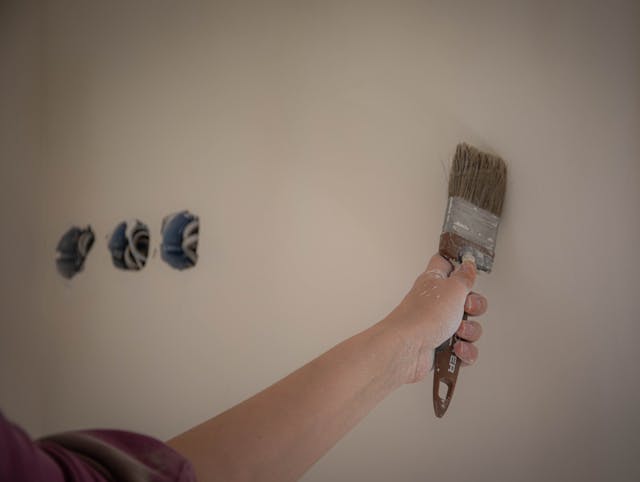
What you’ll typically see includes:
- Finishes losing their original brightness or texture.
- Surfaces becoming less uniform due to repeated contact.
- Mechanical parts loosening through normal use.
- Materials aging in ways that can’t be reversed with simple cleaning.
These are not failures, they’re indicators that the property is progressing through its expected lifecycle. Some materials will naturally show wear sooner than others, depending on quality and usage.
When landlords shift their mindset from “preservation” to “lifecycle management,” decisions become more practical and less reactive.
The Line Is Drawn by Impact, Not Appearance
A common mistake is judging conditions based on how something looks rather than how it affects the property.
Normal wear may change the appearance of a unit, but it rarely reduces its function. Damage, on the other hand, often interferes with usability or requires immediate correction.
To simplify the distinction:
Wear (cosmetic or gradual):
- Slight fading, dullness, or minor marks.
- Areas that show consistent but light use.
- Small adjustments needed due to aging.
Damage (functional or excessive):
- Breakage that affects how something works.
- Alterations that were not approved.
- Conditions that require immediate repair.
- Neglect that worsens over time.
Focusing on impact rather than aesthetics creates a more objective way to evaluate condition.

Why Misclassification Creates Bigger Problems
Getting the distinction wrong doesn’t just affect one repair, it can ripple through your entire operation.
If normal wear is treated as tenant damage, it can lead to disputes, delayed turnovers, and reputational issues. Actual maintenance must be addressed efficiently, or the property may deteriorate faster than expected.
A balanced approach protects both sides:
- Tenants are not held responsible for natural aging.
- Landlords avoid absorbing preventable costs.
- Lease endings are handled more efficiently.
- Financial decisions remain consistent across properties.
In California’s rental market, where expectations are clearly defined, consistency matters as much as accuracy. It also helps streamline operations when managing multiple units.
Context Matters More Than the Condition Itself
The same issue can be interpreted differently depending on context.
A small mark in a unit after five years of occupancy is very different from the same mark appearing after a short-term lease. Time, usage, and property conditions at move-in all influence how wear should be evaluated.
Key factors to consider:
- Length of tenancy.
- Age and quality of materials.
- Number of occupants and usage patterns.
- Original condition of the unit.
Looking at the full context prevents overreaction to isolated details and supports more reasonable decisions.
Documentation Turns Subjective Into Objective
Without records, wear and tear becomes a matter of opinion.
With documentation, it becomes measurable.
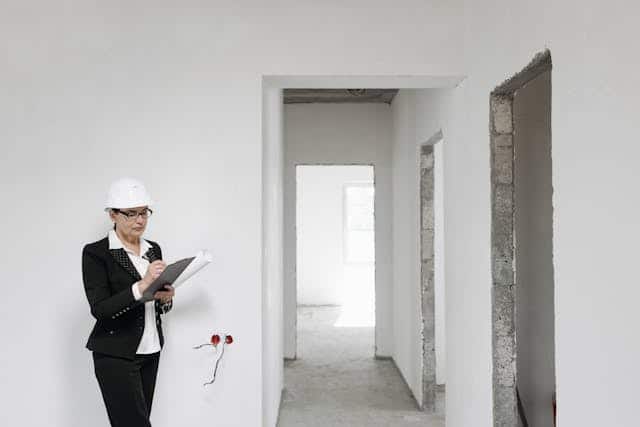
Creating a clear before-and-after record allows you to track how the property changed during the lease. This is one of the most effective ways to reduce uncertainty and avoid unnecessary conflict.
A reliable system includes:
- Detailed condition records at move-in.
- Visual documentation of key areas.
- Notes on pre-existing imperfections.
- A structured comparison at move-out.
When both parties have visibility into the same information, discussions become more straightforward. It also helps support fair and accurate security deposit decisions.
Prevention Starts With the Right Systems
While aging is unavoidable, excessive deterioration often reflects gaps in management.
Properties that are actively maintained and clearly managed tend to experience fewer issues. Tenants are also more likely to care for a space when expectations are consistent.
Strong systems include:
- Clear lease terms outlining property use.
- Prompt response to maintenance issues.
- Regular check-ins to monitor condition.
- Careful tenant selection based on history.
These practices reduce the likelihood of damage while supporting a more stable rental environment. Over time, they contribute to better property preservation.
A More Grounded Way to Approach Wear and Tear
Normal wear and tear is not a problem to eliminate, it’s a pattern to understand.
When you treat property conditions as part of a broader system, one that includes lifecycle planning, documentation, and consistent management, you remove much of the guesswork. Decisions become clearer, and operations become more predictable.
For California landlords, this approach provides both protection and efficiency in a market where details matter. It allows you to manage your property with greater confidence.
Drawing the line between normal wear and tenant damage gets easier with an experienced property manager on your side. See our property management services.
See Our Property Management Services
Ready to Bring More Structure to Your Rental Management?
Understanding wear and tear is just one part of managing a rental property effectively. From inspections and documentation to maintenance and tenant communication, each step plays a role in protecting your investment.
A professional property management team like California Realty Group can help you implement systems that reduce uncertainty, improve consistency, and keep your property performing at a high level. With the right support, you can focus on long-term results instead of day-to-day challenges.